- HOME
- Detail: SEKAIMEISAKUDOUWAMANGASHIRĪZU
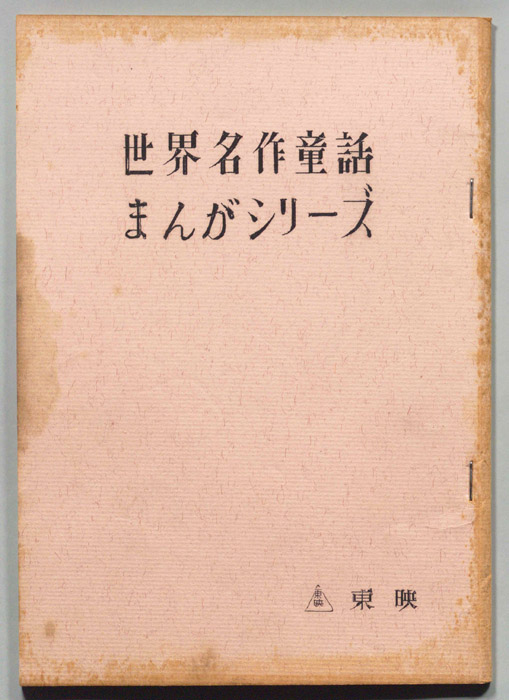
SEKAIMEISAKUDOUWAMANGASHIRĪZU
| Writer | |
|---|
| Major performers | |
|---|
| Original work | | Original name | |
|---|
| Original author | | Producer | |
|---|
| Theme song | | Broadcaster | |
|---|
| Production company | | On Air date | Unknown |
|---|
| Broadcasting times | | Onair time | |
|---|
| Onair length | | Director | |
|---|
| Music staff | | Design staff | |
|---|
| Coaching staff | | Other staff | |
|---|
| Shooting location | | Management | D02-00447-00 |
|---|
| KANA | | Reading | |
|---|
| Classification | Scripts | Media | |
|---|
| Genre | | Screens version | |
|---|
| Transfer destination | Warehouse | Deterioration | |
|---|
| Etc | | Tags | |
|---|
Synopsis
Sekai Meisaku Dowa Manga Shirizu, Manga Series of World’s Fair Tales Created and broadcast by Toho Animation, Sekai Meisaku Dowa Manga Shirizu consists of short animated versions of famous fairy tales and fables by Grimm, Andersen, and Aesop, among others.Stories chosen from Grimms’ Fairy Tales included “Hansel and Gretel,” in which two children, a brother and a sister, confront a witch and manage to escape from her, “Little Red Riding Hood,” in which a girl saves her grandmother from a wolf with a hunter from the forest, “The Wolf and the Seven Young Goats,” and “Town Musicians from Bremen.” Stories chosen from One Thousand and One Nights included “Aladdin’s Wonderful Lamp,” in which Aladdin and the genie of the lamp who serves him fight against an evil sorcerer, and “Ali Baba and the Forty Thieves,” in which Ali Baba and Morgiana protect their treasure from bandits.Stories chosen from Andersen’s fairy tales included “The Little Match Girl,” which depicts the sad and painful dreams of a poor girl, “The Red Shoes,” which depicts the tragedies that befall a girl who wore a pair of cursed shoes she was told not to, and “The Ugly Duckling,” a story about a duckling that thought itself a cygnet. Other stories included “Cinderella” by Charles Perrault, as well as Aesop’s “The North Wind and the Sun” where the North Wind and the Sun compete to see who can make a traveler take off his coat. Each 10-minute episode features a famous fairy tale or fable, with Kyoko Kishida acting as the narrator.Sekai Meisaku Dowa Manga Shirizu aired in three seasons between 1975 to 1983 as part of the Toho Manga Matsuri, a project in which movies were released in each long holiday, i.e., the spring, summer, and winter holidays. The whole series was broadcast on TV in 1988.
- *The information in [] is reference information by our group's own survey, and it is not what is described in the original of the bibliography.
- *Regarding movies and plays, the description of the broadcast date column is 'Publication Date' 'Performance Day'.
- *Since Romanized notation is maked by machine conversion based on 'Kana', it may be inaccurate.
{
"arasuji": "Sekai Meisaku Dowa Manga Shirizu, Manga Series of World’s Fair Tales Created and broadcast by Toho Animation, Sekai Meisaku Dowa Manga Shirizu consists of short animated versions of famous fairy tales and fables by Grimm, Andersen, and Aesop, among others.Stories chosen from Grimms’ Fairy Tales included “Hansel and Gretel,” in which two children, a brother and a sister, confront a witch and manage to escape from her, “Little Red Riding Hood,” in which a girl saves her grandmother from a wolf with a hunter from the forest, “The Wolf and the Seven Young Goats,” and “Town Musicians from Bremen.” Stories chosen from One Thousand and One Nights included “Aladdin’s Wonderful Lamp,” in which Aladdin and the genie of the lamp who serves him fight against an evil sorcerer, and “Ali Baba and the Forty Thieves,” in which Ali Baba and Morgiana protect their treasure from bandits.Stories chosen from Andersen’s fairy tales included “The Little Match Girl,” which depicts the sad and painful dreams of a poor girl, “The Red Shoes,” which depicts the tragedies that befall a girl who wore a pair of cursed shoes she was told not to, and “The Ugly Duckling,” a story about a duckling that thought itself a cygnet. Other stories included “Cinderella” by Charles Perrault, as well as Aesop’s “The North Wind and the Sun” where the North Wind and the Sun compete to see who can make a traveler take off his coat. Each 10-minute episode features a famous fairy tale or fable, with Kyoko Kishida acting as the narrator.Sekai Meisaku Dowa Manga Shirizu aired in three seasons between 1975 to 1983 as part of the Toho Manga Matsuri, a project in which movies were released in each long holiday, i.e., the spring, summer, and winter holidays. The whole series was broadcast on TV in 1988.",
"img": "D02-00447-00.jpg",
"sub_genre": [
"Folk tales/Fairy tales"
],
"onair_year": 0,
"media": [
"TV"
],
"title": "SEKAIMEISAKUDOUWAMANGASHIRĪZU",
"onair_date": "(?)",
"genre": [
"Animation"
],
"kyakuhon": "TSUJI Masaki,YAMAZAKI Tadaaki",
"id": "D02-00447-00",
"ikansaki": "Warehouse",
"class": "Scripts",
"ready_status": "in Storage"
}
{"src":{"arasuji":"Sekai Meisaku Dowa Manga Shirizu, Manga Series of World’s Fair Tales Created and broadcast by Toho Animation, Sekai Meisaku Dowa Manga Shirizu consists of short animated versions of famous fairy tales and fables by Grimm, Andersen, and Aesop, among others.Stories chosen from Grimms’ Fairy Tales included “Hansel and Gretel,” in which two children, a brother and a sister, confront a witch and manage to escape from her, “Little Red Riding Hood,” in which a girl saves her grandmother from a wolf with a hunter from the forest, “The Wolf and the Seven Young Goats,” and “Town Musicians from Bremen.” Stories chosen from One Thousand and One Nights included “Aladdin’s Wonderful Lamp,” in which Aladdin and the genie of the lamp who serves him fight against an evil sorcerer, and “Ali Baba and the Forty Thieves,” in which Ali Baba and Morgiana protect their treasure from bandits.Stories chosen from Andersen’s fairy tales included “The Little Match Girl,” which depicts the sad and painful dreams of a poor girl, “The Red Shoes,” which depicts the tragedies that befall a girl who wore a pair of cursed shoes she was told not to, and “The Ugly Duckling,” a story about a duckling that thought itself a cygnet. Other stories included “Cinderella” by Charles Perrault, as well as Aesop’s “The North Wind and the Sun” where the North Wind and the Sun compete to see who can make a traveler take off his coat. Each 10-minute episode features a famous fairy tale or fable, with Kyoko Kishida acting as the narrator.Sekai Meisaku Dowa Manga Shirizu aired in three seasons between 1975 to 1983 as part of the Toho Manga Matsuri, a project in which movies were released in each long holiday, i.e., the spring, summer, and winter holidays. The whole series was broadcast on TV in 1988.","img":"D02-00447-00.jpg","sub_genre":["Folk tales/Fairy tales"],"onair_year":0,"media":["TV"],"title":"SEKAIMEISAKUDOUWAMANGASHIRĪZU","onair_date":"(?)","genre":["Animation"],"kyakuhon":"TSUJI Masaki,YAMAZAKI Tadaaki","id":"D02-00447-00","ikansaki":"Warehouse","class":"Scripts","ready_status":"in Storage"},"id":"D02-00447-00","kanri":"D02-00447-00","media":["TV"],"genre":["Animation"],"sub_genre":["Folk tales/Fairy tales"],"tag1":[],"arasuji":"Sekai Meisaku Dowa Manga Shirizu, Manga Series of World’s Fair Tales Created and broadcast by Toho Animation, Sekai Meisaku Dowa Manga Shirizu consists of short animated versions of famous fairy tales and fables by Grimm, Andersen, and Aesop, among others.Stories chosen from Grimms’ Fairy Tales included “Hansel and Gretel,” in which two children, a brother and a sister, confront a witch and manage to escape from her, “Little Red Riding Hood,” in which a girl saves her grandmother from a wolf with a hunter from the forest, “The Wolf and the Seven Young Goats,” and “Town Musicians from Bremen.” Stories chosen from One Thousand and One Nights included “Aladdin’s Wonderful Lamp,” in which Aladdin and the genie of the lamp who serves him fight against an evil sorcerer, and “Ali Baba and the Forty Thieves,” in which Ali Baba and Morgiana protect their treasure from bandits.Stories chosen from Andersen’s fairy tales included “The Little Match Girl,” which depicts the sad and painful dreams of a poor girl, “The Red Shoes,” which depicts the tragedies that befall a girl who wore a pair of cursed shoes she was told not to, and “The Ugly Duckling,” a story about a duckling that thought itself a cygnet. Other stories included “Cinderella” by Charles Perrault, as well as Aesop’s “The North Wind and the Sun” where the North Wind and the Sun compete to see who can make a traveler take off his coat. Each 10-minute episode features a famous fairy tale or fable, with Kyoko Kishida acting as the narrator.Sekai Meisaku Dowa Manga Shirizu aired in three seasons between 1975 to 1983 as part of the Toho Manga Matsuri, a project in which movies were released in each long holiday, i.e., the spring, summer, and winter holidays. The whole series was broadcast on TV in 1988.","img":"D02-00447-00.jpg","onair_year":0,"title":"SEKAIMEISAKUDOUWAMANGASHIRĪZU","onair_date":"(?)","kyakuhon":"TSUJI Masaki,YAMAZAKI Tadaaki","ikansaki":"Warehouse","class":"Scripts","ready_status":"in Storage"}